Article Summary
An AI agent does more than generate text: it can receive a goal, assess the situation, call tools or APIs, carry out several steps, and return to a person for approval at defined checkpoints.
02Key Takeaways
01Chatbot vs Workflow vs Agent: What Is the Difference?
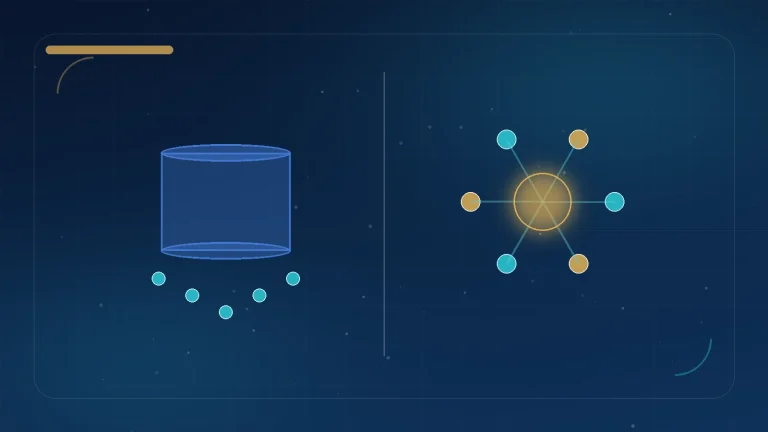
| Approach | Core capability | Example |
|---|---|---|
| Chatbot | Responding in conversation | Answering a user's question |
| Workflow | Following predefined steps | Sending a form submission to a CRM |
| Agent | Choosing actions within a goal and approved toolset | Gathering information and preparing an action for approval |
02Components of a Reliable Agent
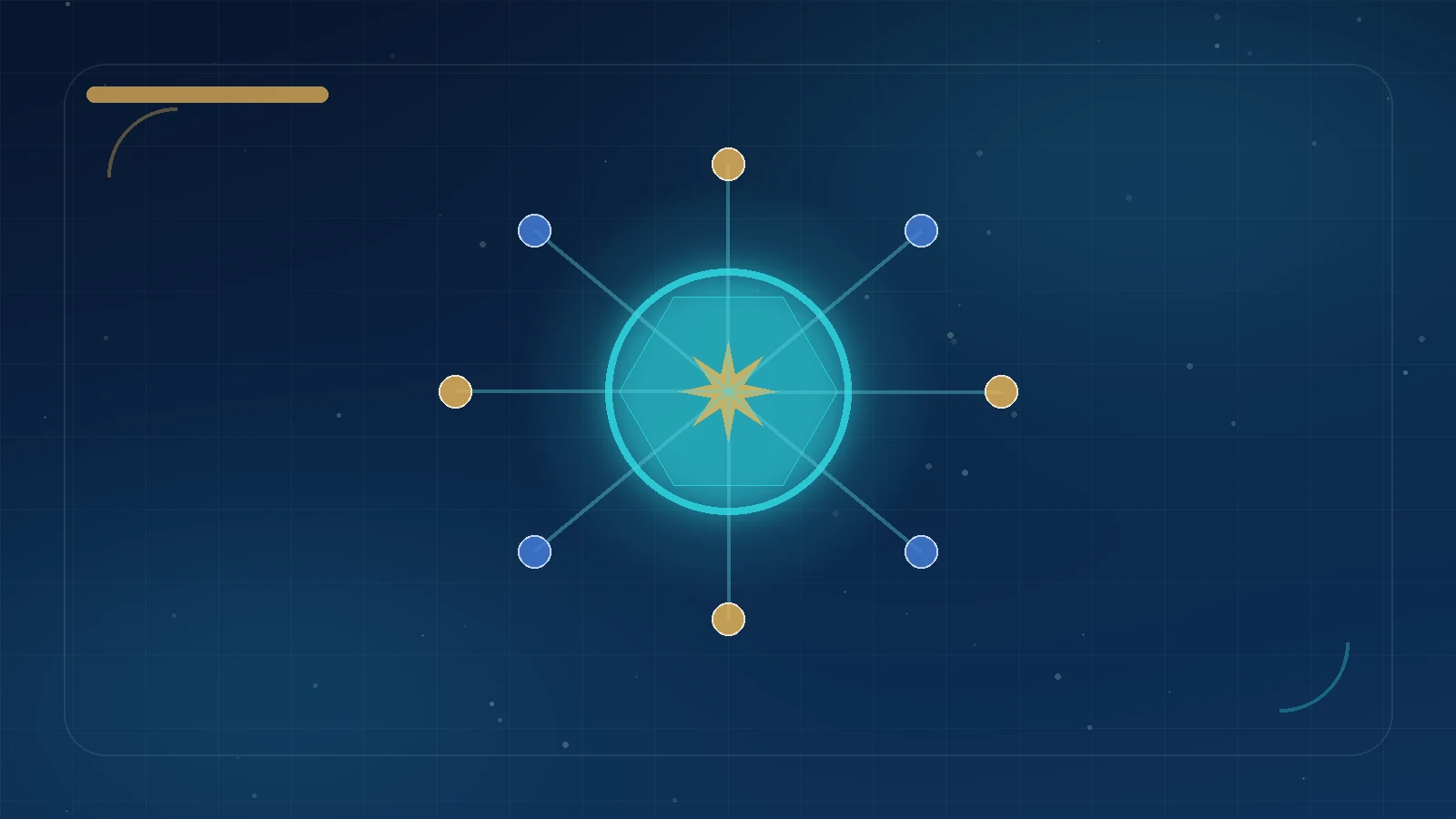
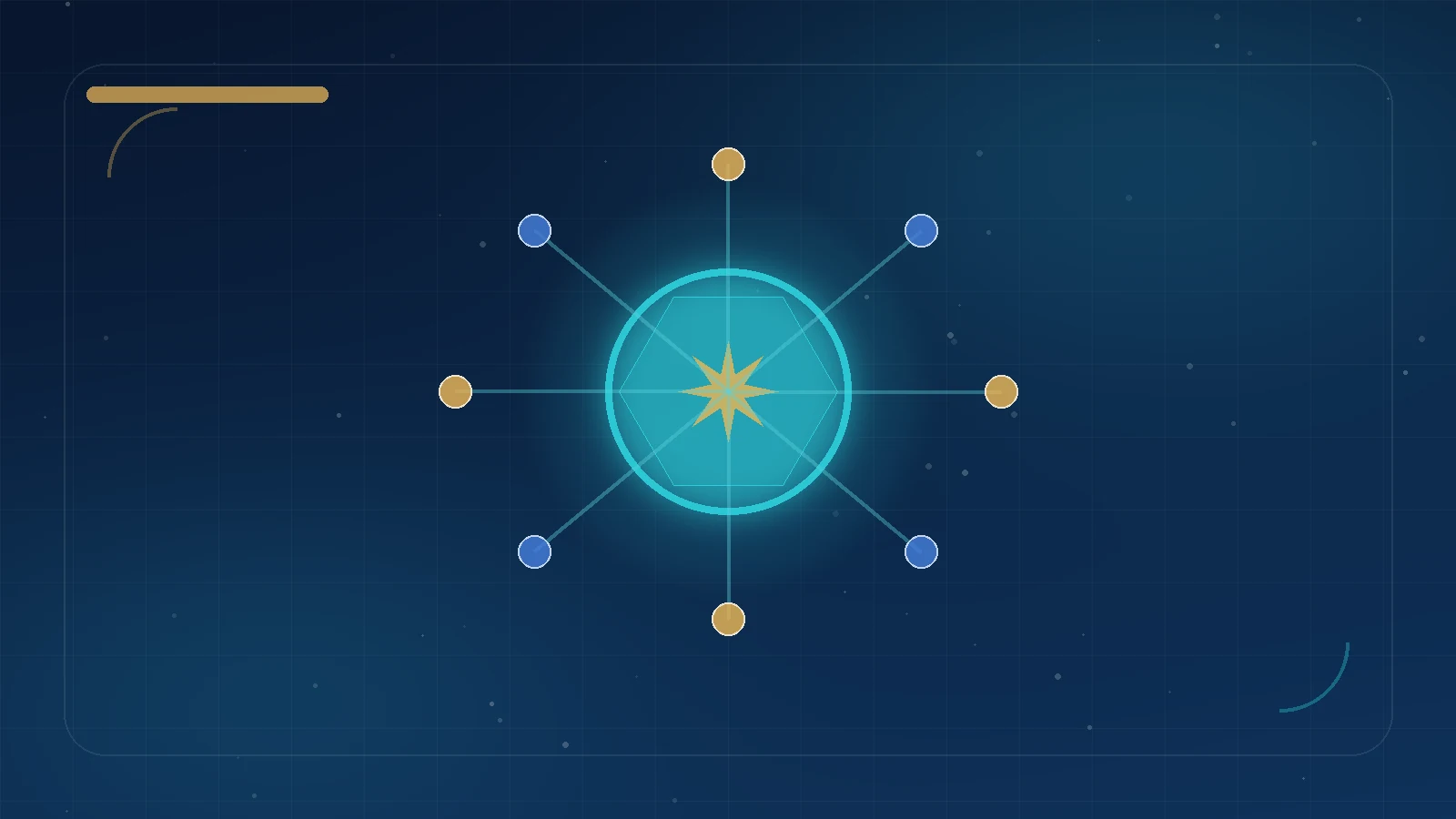
- A clear goal and boundaries
- Controlled memory or state
- Authorized tools with limited scopes
- Stopping and escalation rules
- Logs for auditing
- Human approval before sensitive actions
03Example Architecture
04When Is an Agent the Wrong Choice?
If the task is deterministic, rarely changes, and can be expressed with a few simple rules, a conventional workflow is cheaper and more predictable. An agent becomes more useful when inputs vary and the next step depends on context.
05Further Reading
04 Frequently Asked Questions
Must an agent operate completely independently?
No. Many well-designed agents deliberately stop at sensitive points and request approval.
Are agents and RPA the same?
No. RPA generally executes predefined flows; an agent can choose steps within defined limits.
Can we build an agent for WordPress?
Yes, but use narrowly scoped APIs, appropriate authentication and nonces, and allowlisted operations.
Does every business need an agent?
No. The problem and its economic value should determine the technology.