Article Summary
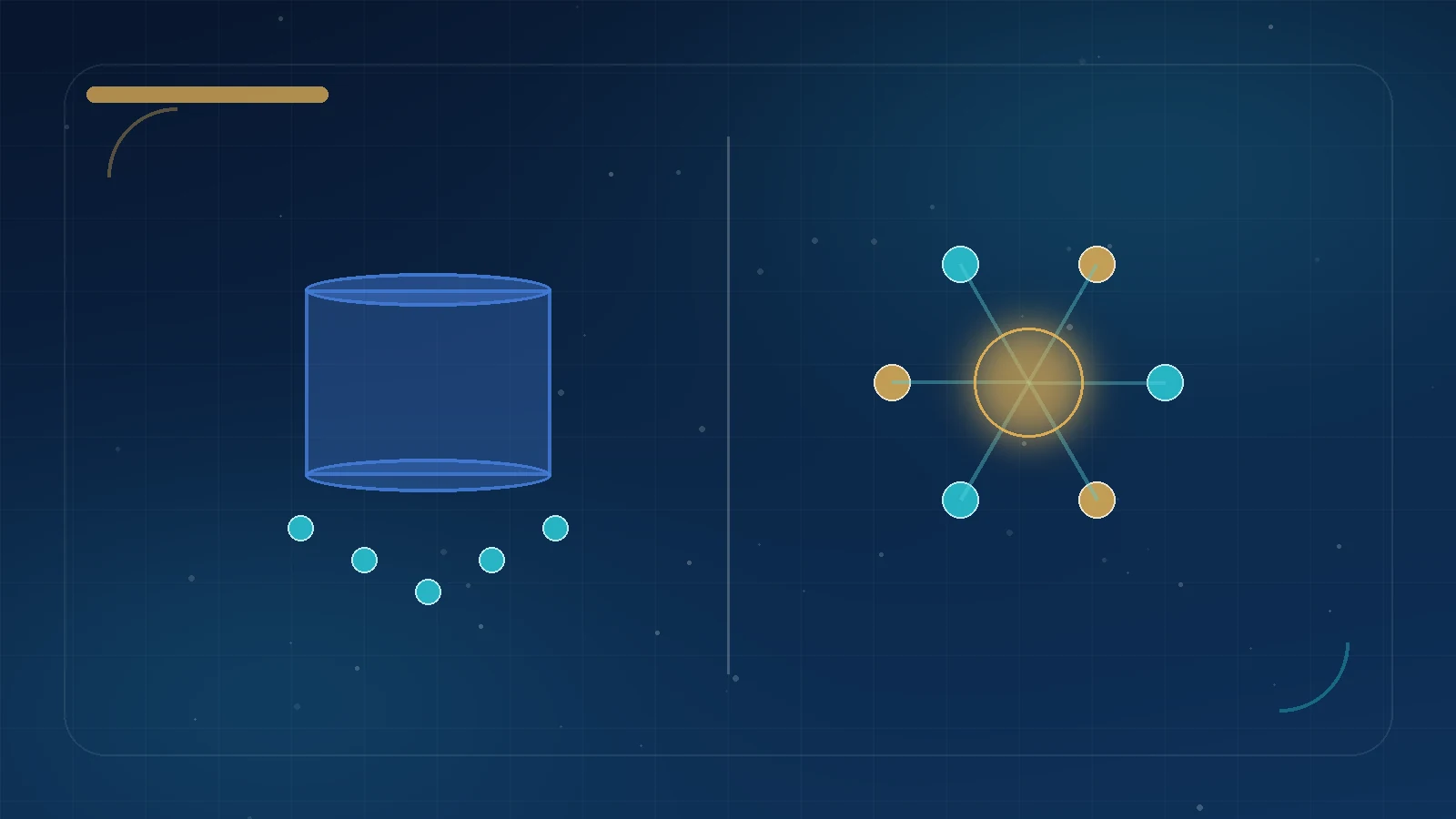
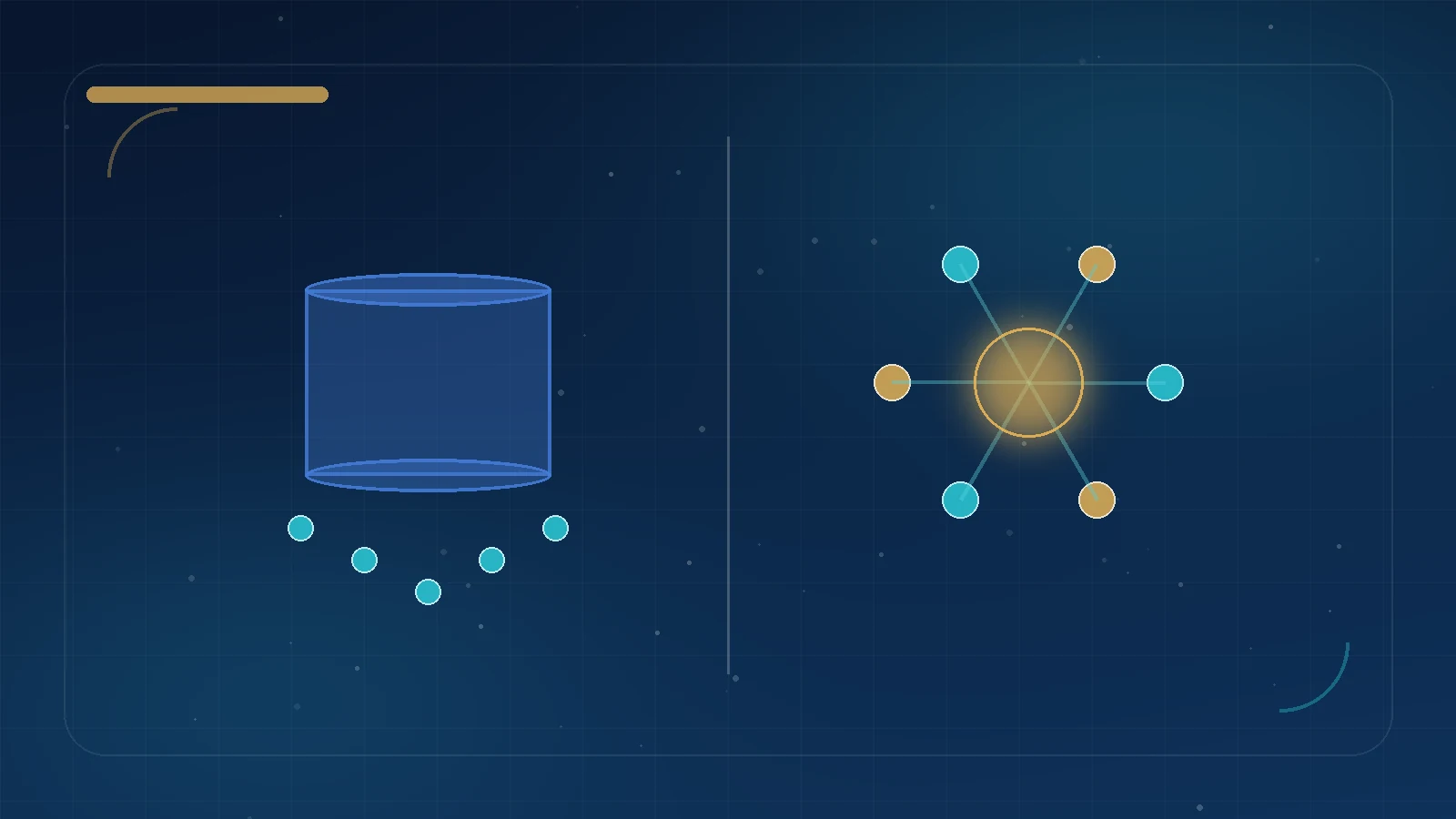
RAG and fine-tuning are not direct substitutes. RAG connects a model to information that can change and be cited; fine-tuning is more useful for adjusting response behavior, style, or recurring specialized patterns.
02Key Takeaways
01The Main Difference at a Glance
| Criterion | RAG | Fine-tuning |
|---|---|---|
| Primary goal | Provide context and knowledge at response time | Modify model behavior and response patterns |
| Knowledge updates | Faster via re-indexing new information | Requires additional training and model versions |
| Source attribution | Usually easier to implement | Does not inherently return sources |
| Complexity | Retrieval and search quality | Training data and evaluation |
02When Does RAG Make Sense?
03When Should You Consider Fine-Tuning?
Consider it when the main problem is not knowing new information but how the model responds—for example, a fixed output structure, domain-specific classification, or reliably following a specialized pattern.
04Evaluate Before Choosing an Architecture
- 1Create an evaluation dataset
Collect at least a few dozen real questions and desired outputs.
- 2Establish a baseline
Evaluate the base model before adding another architecture.
- 3Change one variable at a time
Test retrieval or prompting separately first.
- 4Classify errors
Separate knowledge, retrieval, reasoning, formatting, and access-permission errors.
05Further Reading
04 Frequently Asked Questions
Does RAG completely prevent hallucinations?
No. Retrieval can provide better context, but answers still require evaluation and sometimes additional restrictions.
Does fine-tuning guarantee current knowledge?
No. Retrieval is generally more flexible for frequently changing information.
Can RAG and fine-tuning be combined?
Yes, when they solve different problems and evaluation demonstrates added value.
Which should we start with?
Usually the simplest architecture that satisfies your quality requirements.